Discover how specific foods and eating patterns influence anxiety levels, which nutrients combat stress, and how to build an anxiety-reducing meal plan backed by neuroscience.
Introduction: The Gut-Brain Axis and Anxiety
Emerging research reveals that dietary choices impact anxiety as powerfully as some medications, with certain foods altering neurotransmitter production, inflammation levels, and gut microbiome composition. The gut-brain axis—a bidirectional communication network—means what you eat directly affects emotional regulation.
This in-depth guide covers:
✔ Key nutrients that reduce anxiety
✔ Foods that trigger or worsen anxiety
✔ Optimal meal timing for mood stability
✔ Gut microbiome optimization
✔ 7-day sample meal plan
Section 1: Anxiety-Reducing Nutrients and Their Mechanisms
1. Magnesium: Nature’s Relaxation Mineral
- Role: Regulates GABA (calming neurotransmitter)
- Best Sources:
- Spinach (157mg per cup cooked)
- Pumpkin seeds (156mg per ¼ cup)
- Dark chocolate (64mg per ounce)
- Clinical Impact: Reduces subjective anxiety 31% in deficient individuals
2. Omega-3 Fatty Acids
- Role: Lowers neuroinflammation linked to anxiety
- Optimal Ratio: EPA:DHA = 3:2
- Best Sources:
- Wild salmon (2,260mg per 3oz)
- Sardines (1,480mg per can)
- Walnuts (2,570mg ALA per ounce)
- Dosage: 1-2g combined EPA/DHA daily shows 20% anxiety reduction
3. Zinc
- Role: Modulates amygdala response to stress
- Best Sources:
- Oysters (74mg per 3oz)
- Beef (7mg per 3oz)
- Cashews (1.6mg per ounce)
- Deficiency Link: Low zinc correlates with higher anxiety scores
4. B Vitamins (Especially B6, B9, B12)
- Role: Cofactors for serotonin/dopamine synthesis
- Key Foods:
- Nutritional yeast (B-complex)
- Lentils (folate)
- Eggs (B12)
- Study Result: High-B diet lowers anxiety risk 38%
5. Probiotics
- Target Strains:
- Lactobacillus rhamnosus
- Bifidobacterium longum
- Mechanism: Produce GABA and serotonin in gut
- Food Sources:
- Kefir
- Sauerkraut
- Kimchi
Section 2: Anxiety-Triggering Foods and Substitutes
1. Blood Sugar Disruptors
| Avoid | Better Choice |
|---|---|
| Sugary cereals | Steel-cut oats + nuts |
| White bread | Sprouted grain bread |
| Fruit juice | Whole fruit + protein |
Why: Glucose spikes increase cortisol 47% within 2 hours.
2. Inflammatory Foods
| Inflammatory | Anti-inflammatory |
|---|---|
| Vegetable oils | Olive/avocado oil |
| Processed meats | Wild-caught fish |
| Artificial sweeteners | Raw honey |
Note: Chronic inflammation reduces BDNF, impairing stress resilience.
3. Histamine-Rich Foods (For Sensitive Individuals)
| High-Histamine | Low-Histamine |
|---|---|
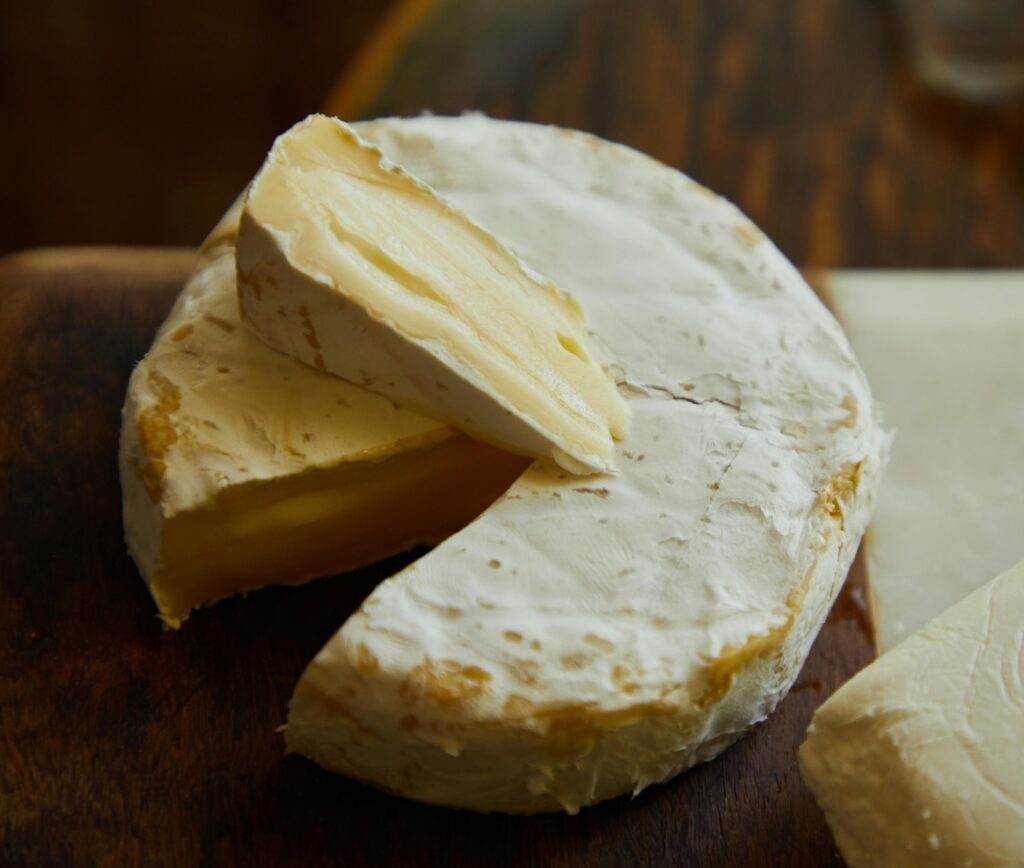
| Aged cheeses | Fresh mozzarella |
| Fermented foods | Fresh vegetables |
| Canned fish | Fresh/frozen fish |
Effect: Histamine intolerance mimics panic attacks in 28% of anxiety sufferers.
Section 3: Timing Matters – Circadian Nutrition
1. Morning Protein
- Goal: 30g protein within 1 hour of waking
- Benefits:
- Stabilizes blood sugar for 4-6 hours
- Provides tyrosine for dopamine production
2. Afternoon Balanced Plate
- Formula:
- 40% colorful vegetables
- 30% quality protein
- 30% healthy fats
- Small complex carb portion
3. Evening Wind-Down Nutrition
- Best Choices:
- Turkey (tryptophan source)
- Sweet potatoes (slow-release carbs)
- Chamomile tea (apigenin for GABA)
- Avoid:
- Large meals within 3 hours of bed
- Alcohol (disrupts REM sleep)
Section 4: Gut Microbiome Optimization
1. The 4 Rs Protocol
- Remove: Processed foods, excess sugar
- Replace: Digestive enzymes if needed
- Reinoculate: Probiotic foods + supplements
- Repair: L-glutamine, zinc carnosine
2. Prebiotic Focus
- Daily Goal: 5+ prebiotic fiber sources
- Top Choices:
- Jerusalem artichokes
- Garlic
- Leeks
- Green bananas
3. Fermented Foods Rotation
| Food | Key Strains |
|---|---|
| Kefir | Lactobacillus kefiri |
| Miso | Aspergillus oryzae |
| Tempeh | Rhizopus oligosporus |
Section 5: 7-Day Anti-Anxiety Meal Plan
Day 1
- Breakfast: Spinach omelet + avocado
- Lunch: Wild salmon salad with walnuts
- Dinner: Grass-fed beef + roasted Brussels sprouts
Day 4
- Breakfast: Chia pudding + pumpkin seeds
- Lunch: Sardines on sourdough + kimchi
- Dinner: Turmeric chicken + quinoa
Day 7
- Breakfast: Full-fat Greek yogurt + blueberries
- Lunch: Lentil soup + kale salad
- Dinner: Baked cod + asparagus
Snacks: Hard-boiled eggs, olives, dark chocolate
Section 6: When to Combine Diet with Other Therapies
1. Signs You Need Professional Support
- Anxiety persists after 3 months of dietary changes
- Physical symptoms (rapid weight loss/gain)
- Disordered eating patterns emerge
2. Complementary Therapies
- CBT for food anxiety
- Nutrient testing (zinc, magnesium RBC)
- GI mapping for gut health
7 FAQs About Diet and Anxiety
1. How soon might dietary changes help anxiety?
Some notice immediate blood sugar stabilization, but full gut-brain effects take 4-8 weeks.
2. Can coffee worsen anxiety?
Yes—CYP1A2 gene variants make some metabolize caffeine slowly, causing prolonged jitters.
3. Is gluten bad for anxiety?
Only for those with:
- Celiac disease
- Non-celiac gluten sensitivity
- Wheat allergy
4. Which probiotic strains are best?
Look for:
- L. rhamnosus GG
- B. longum 1714
- L. plantarum 299v
5. Should I try an elimination diet?
Under professional guidance—strict diets can backfire by increasing food anxiety.
6. Can fasting help anxiety?
For some, time-restricted eating (12-14 hours) stabilizes mood; others feel worse. Monitor carefully.
7. Are there anxiety-reducing herbs?
Evidence supports:
- Ashwagandha (lowers cortisol)
- Lemon balm (GABA-T inhibitor)
- Chamomile (apigenin binding)
Final Thoughts: Food as Foundation
While diet alone may not “cure” anxiety, optimizing nutrition:
✅ Creates biochemical resilience
✅ Reduces inflammatory triggers
✅ Supports other treatments
📌 Call to Action: Start with one change—add magnesium-rich foods or swap afternoon candy for nuts. Small steps yield compounding benefits.