Discover how specific types of exercise combat stress at a physiological level, the optimal routines for different stress types, and how to create your personalized anti-stress workout plan.
Introduction: Exercise as Your Built-In Stress Antidote
Modern research confirms that physical activity isn’t just good for your body—it’s one of the most potent stress-relief tools we possess. Regular exercise works better than many pharmaceuticals at lowering cortisol, increasing stress resilience, and preventing burnout. Yet not all movement is created equal when it comes to stress management.
This comprehensive guide explores:
✔ The neurochemical effects of different exercise types
✔ Precision workouts for specific stress symptoms
✔ How to avoid exercise-induced stress
✔ Creating sustainable routines for long-term resilience
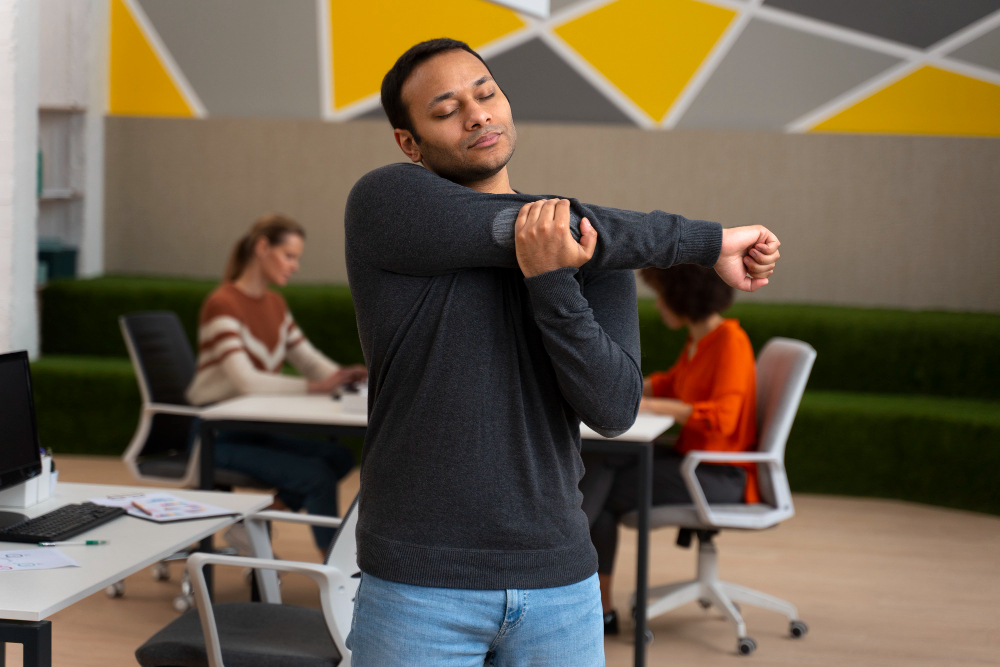
Section 1: The Science of Exercise and Stress Relief
1. The Immediate Neurochemical Effects
| Chemical | Exercise Impact | Stress Benefit |
|---|---|---|
| Endocannabinoids | ↑ 40-60% | Natural anxiety reduction |
| BDNF | ↑ 200% after intense exercise | Repairs stress-damaged neurons |
| GABA | ↑ 30% with yoga | Calms neural hyperactivity |
2. Long-Term Adaptations
- Cortisol regulation: Fit individuals recover 50% faster from stressors
- Amygdala shrinkage: Regular exercisers show smaller fear centers
- Prefrontal cortex growth: Improves executive control over emotions
3. The Stress-Exercise Sweet Spot
- Under-exercising: Miss stress-buffering benefits
- Over-exercising: Increases oxidative stress + cortisol
- Ideal range: 3-5 hours weekly of mixed modalities
Section 2: Exercise Prescriptions for Stress Types
1. For Mental Overwhelm (Rumination)
Best: Rhythmic cardio
- Examples: Running, rowing, swimming
- Mechanism: Repetitive motion quiets default mode network
- Protocol: 30 minutes at conversational pace
2. For Physical Tension
Best: Resistance training + mobility
- Examples: Weightlifting, Pilates, foam rolling
- Mechanism: Releases muscular armoring storing stress
- Protocol: 2-3 sets of 8-12 reps with full ROM
3. For Emotional Exhaustion
Best: Nature movement
- Examples: Trail running, outdoor yoga, forest walks
- Mechanism: Combines exercise + nature therapy benefits
- Protocol: 45+ minutes in green space
4. For Nervous Energy
Best: High-intensity intervals
- Examples: Sprinting, battle ropes, cycling
- Mechanism: Burns off stress hormones quickly
- Protocol: 20-second bursts with 40-second recovery
5. For Sleep Disruption
Best: Evening somatic movement
- Examples: Tai chi, qigong, restorative yoga
- Mechanism: Stimulates parasympathetic nervous system
- Protocol: 20 minutes before bed
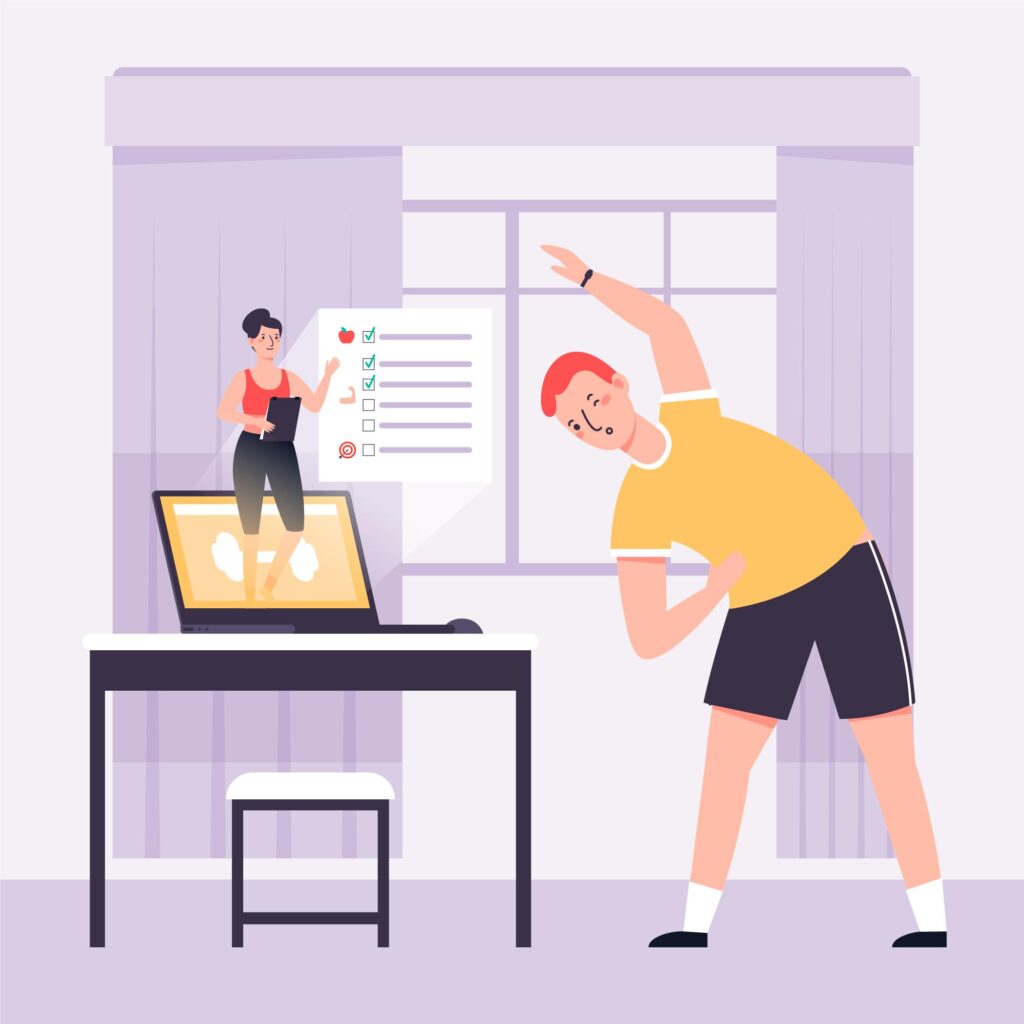
Section 3: Creating Your Anti-Stress Exercise Plan
1. The Balanced Weekly Template
| Day | Focus | Example | Duration |
|---|---|---|---|
| Monday | Cardio | Bike ride | 45 min |
| Tuesday | Strength | Bodyweight circuit | 30 min |
| Wednesday | Recovery | Yoga + foam rolling | 40 min |
| Thursday | HIIT | Sprint intervals | 20 min |
| Friday | Nature | Hiking | 60 min |
| Saturday | Social | Dance class | 50 min |
| Sunday | Mindful | Tai chi | 25 min |
2. Timing Matters
- Morning workouts: Set cortisol rhythm for day
- Lunch movement: Resets afternoon focus
- Evening exercise: Must finish 3 hours before bed
3. Intensity Guidelines
Use the talk test:
- Low intensity: Can sing
- Moderate: Can talk comfortably
- High: Can’t say more than a few words
Section 4: Avoiding Exercise-Induced Stress
1. Overtraining Red Flags
- Resting HR ↑ 5+ BPM
- Poor sleep despite fatigue
- Loss of motivation
2. Recovery Essentials
- Hydration: 0.5-1 oz water per lb body weight
- Nutrition: Protein + carbs within 45 min post-workout
- Active recovery: Walking, swimming, mobility work
3. Adapting for Stress States
- High-stress periods: Reduce volume by 30%
- Burnout: Focus on movement pleasure over metrics
Section 5: Special Considerations
1. For Trauma Survivors
- Avoid: Overly intense classes, mirror-focused studios
- Prefer: Grounding activities (yoga, martial arts)
- Add: Bilateral stimulation (swimming, walking)
2. For Chronic Illness
- PEM prevention: Heart rate monitoring
- Gentle options: Chair yoga, aquatic therapy
- Microdosing: 5-min sessions hourly
3. For Office Workers
- Desk interventions:
- Posture resets every 20 min
- Isometric exercises during calls
- Walking meetings
Section 6: Tracking Progress Beyond Weight
1. Stress Resilience Metrics
- HRV (Heart Rate Variability): ↑ with fitness
- Cortisol awakening response: Normalizes
- Perceived stress scale scores: Should decrease
2. Exercise-Specific Markers
- Workout enjoyment: Rate 1-10 weekly
- Recovery speed: How quickly stress symptoms pass
- Movement freedom: Pain-free range of motion
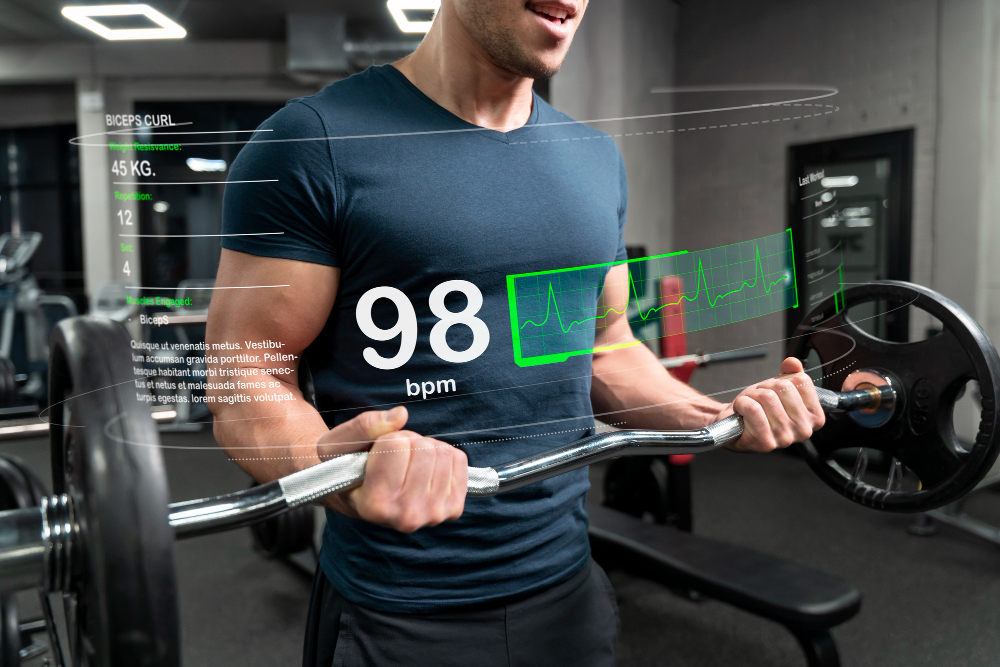
7 FAQs About Exercise and Stress
1. How quickly does exercise reduce stress?
- Immediate: Mood lifts within 5 minutes
- Cumulative: Brain changes visible at 6 weeks
2. Is walking as good as running for stress?
For cortisol reduction, brisk walking works equally well with lower injury risk.
3. Can exercise replace anxiety medication?
For mild-moderate anxiety, studies show equal efficacy to SSRIs when consistent.
4. Why do I feel more stressed after some workouts?
Likely overtraining or hypoglycemia—try lowering intensity and eating pre-workout.
5. What if I hate exercising?
Focus on “movement snacks”—dancing while cooking, parking farther away.
6. How does yoga reduce stress differently than cardio?
Yoga uniquely boosts GABA (calming neurotransmitter) while cardio raises endorphins.
7. Is there an optimal time of day to exercise for stress?
Morning workouts set circadian rhythms, while evening movement should be gentle.
Final Thoughts: Movement as Self-Care
Reframe exercise from calorie burn to nervous system regulation. Even 10 minutes of intentional movement daily rebuilds stress resilience at a cellular level.
📌 Call to Action: Tomorrow, replace one stress response (e.g., scrolling) with 5 minutes of conscious movement—notice the mental shift.