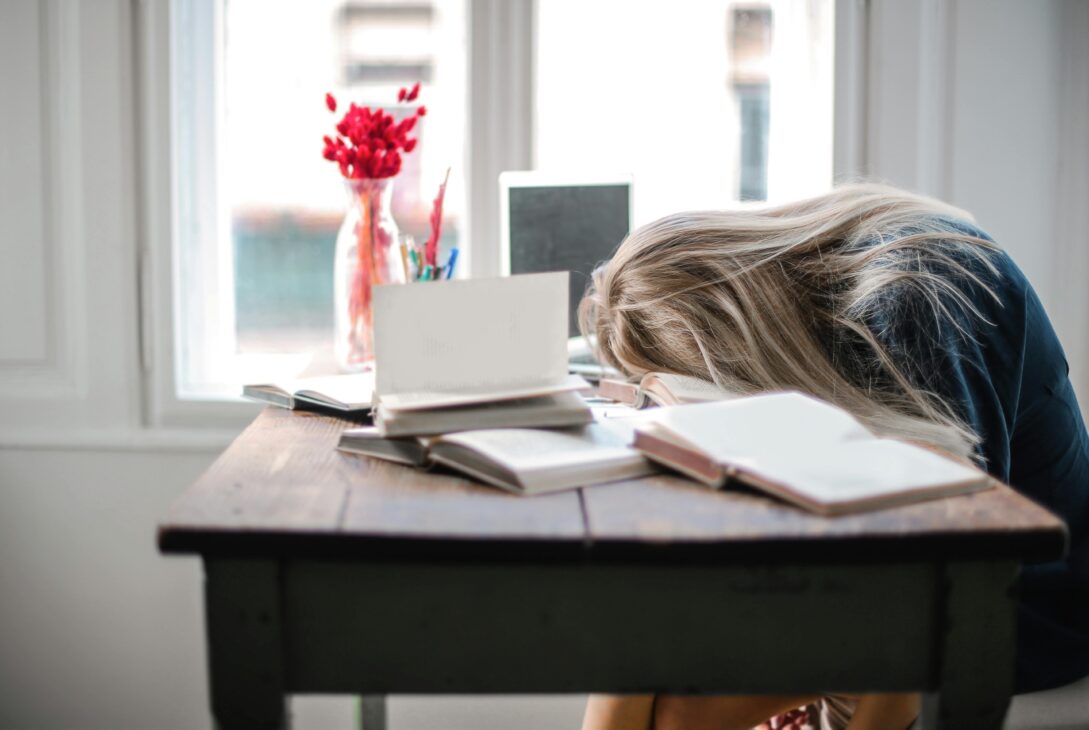
Struggling with relentless daytime exhaustion? This in-depth guide explores how sleep apnea disrupts your energy, the subtle signs you might miss, and science-backed solutions to reclaim your vitality.
Introduction: The Hidden Energy Thief
Daytime fatigue affects 45% of adults, yet its most common medical cause—sleep apnea—goes undiagnosed in 80% of sufferers. Unlike normal tiredness, apnea-induced fatigue persists despite adequate sleep hours, creating a debilitating cycle that impacts work performance, relationships, and safety.
This expanded guide examines:
✔ How apnea fragments sleep at a biological level
✔ Key differences between apnea fatigue and other exhaustion types
✔ Advanced diagnostic approaches
✔ Treatment options that go beyond CPAP
✔ Long-term health consequences of untreated apnea fatigue
Section 1: The Science of Apnea-Induced Fatigue
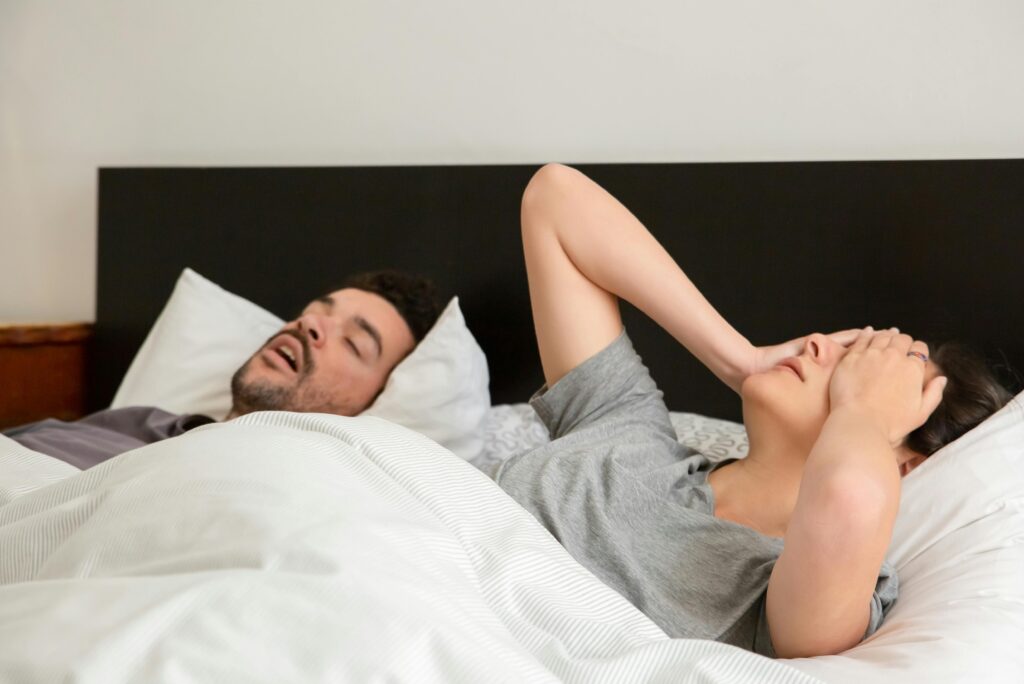
1. The Oxygen Rollercoaster
- Normal Sleep: Blood oxygen stays 95-100%
- Moderate Apnea: Dips to 80-89% 15-30x/hour
- Severe Apnea: Plummets below 80% 30+ times nightly
Effect: Each drop triggers micro-awakenings (too brief to recall) that prevent deep sleep.
2. Sleep Stage Disruption
| Stage | Normal Function | Apnea Impact |
|---|---|---|
| Deep (N3) | Physical restoration | Reduced by 60-80% |
| REM | Emotional processing | Frequent interruptions |
| Light (N1/N2) | Memory consolidation | Becomes predominant |
3. The Cortisol Surge
- 3 AM adrenaline spikes from breathing struggles
- Morning grogginess despite “enough” sleep
- Afternoon crashes as cortisol depletes
Section 2: Is It Really Apnea? Diagnostic Clues
The Epworth Sleepiness Scale (ESS)
Score these situations from 0-3:
- Sitting and reading
- Watching TV
- Riding in a car
- Score >10 suggests clinical sleepiness
Symptom Comparison Table
| Trait | Apnea Fatigue | Chronic Fatigue | Depression Fatigue |
|---|---|---|---|
| Morning Feeling | Unrefreshed | Muscle pain | Heavy limbs |
| Daytime Pattern | Improves briefly after moving | Worsens with activity | Consistent all day |
| Cognitive Effects | Attention lapses | Brain fog | Negative thoughts |
Home vs. Lab Testing
| Factor | Home Test | Lab Polysomnography |
|---|---|---|
| Accuracy | 85% for moderate-severe apnea | 98% (gold standard) |
| What It Measures | Breathing, oxygen, pulse | +Brain waves, muscle activity |
| Best For | Initial screening | Complex cases |
Section 3: Beyond CPAP – Comprehensive Treatment
1. Oral Appliance Therapy
- Mandibular advancement devices (MADs)
- Tongue retaining devices
- Best for: Mild-moderate apnea, side sleepers
2. Positional Therapy
- Specialized pillows
- Vest alarms for back sleeping
- Effectiveness: Reduces events 50% in positional apnea
3. Surgical Options
| Procedure | Target Area | Success Rate |
|---|---|---|
| UPPP | Throat tissue | 40-60% |
| MMA | Jaw advancement | 75-95% |
| Inspire | Nerve stimulator | 80% reduction |
4. Lifestyle Interventions
- Orofacial exercises: Reduces AHI 39% in studies
- Nasal dilators: Improves airflow 28%
- Weight management: Each 10% loss cuts AHI 26%
Section 4: The Fatigue Recovery Timeline
First Night with Treatment
- 50% less oxygen dips
- Fewer awakenings (though may not feel different)
1 Week
- Morning headaches vanish
- Brighter mood midday
1 Month
- Cognitive sharpness returns
- Exercise endurance improves
6 Months
- Normal sleep architecture restored
- Fatigue levels match healthy peers
Section 5: When Fatigue Persists Despite Treatment
Residual Causes to Investigate
- Upper Airway Resistance Syndrome (UARS)
- Subtler than apnea
- Requires esophageal pressure monitoring
- Comorbid Insomnia
- Sleep maintenance issues common post-CPAP
- CBT-I often needed
- Adrenal Fatigue
- Years of apnea depletes stress hormones
- Salivary cortisol testing recommended
6 FAQs About Apnea and Fatigue
1. Can you have apnea without snoring?
Yes—30% of apnea patients don’t snore, especially women and thin individuals.
2. Why am I tired even with CPAP?
Possible reasons:
- Mask leaks disrupting therapy
- Inadequate pressure settings
- Untreated UARS
3. Does apnea cause chronic fatigue syndrome?
While distinct conditions, untreated apnea worsens CFS symptoms dramatically.
4. Can children have apnea fatigue?
Yes—look for:
- Hyperactivity (paradoxical response)
- Bedwetting relapse
- Stunted growth
5. How accurate are smartwatches for detecting apnea?
Latest models detect oxygen dips with 85% accuracy but can’t replace medical tests.
6. Is fatigue worse with central vs obstructive apnea?
Central apnea (brain-signaled) causes more severe daytime impairment due to CO2 fluctuations.
Final Thoughts: Reclaiming Your Energy
Undiagnosed sleep apnea steals more than rest—it erodes your quality of life, safety, and long-term health. The good news? Effective treatments exist, and many patients report feeling “decades younger” after proper therapy.
📌 Call to Action: Take the STOP-BANG questionnaire today (snoring, tiredness, observed pauses, blood pressure, BMI, age, neck size, gender). Score ≥3? Request a sleep study.