Discover how CPAP therapy effectively treats sleep apnea, its benefits, and tips for success. Learn the science behind CPAP machines and overcome common challenges for better sleep.
How CPAP Therapy Works for Sleep Apnea
Sleep apnea is more than just loud snoring—it’s a serious sleep disorder that disrupts breathing and impacts overall health. If left untreated, it can lead to chronic fatigue, cardiovascular disease, metabolic disorders, and even cognitive decline. Fortunately, CPAP (Continuous Positive Airway Pressure) therapy offers a proven, non-invasive solution that has helped millions regain restful sleep and improve their quality of life.
In this comprehensive guide, we’ll explore:
- The science behind sleep apnea and why it’s dangerous
- How CPAP machines work at a physiological level
- Detailed comparisons of CPAP device types
- Evidence-based benefits backed by clinical studies
- Practical solutions for common challenges
- Maintenance and optimization strategies
What Is Sleep Apnea?
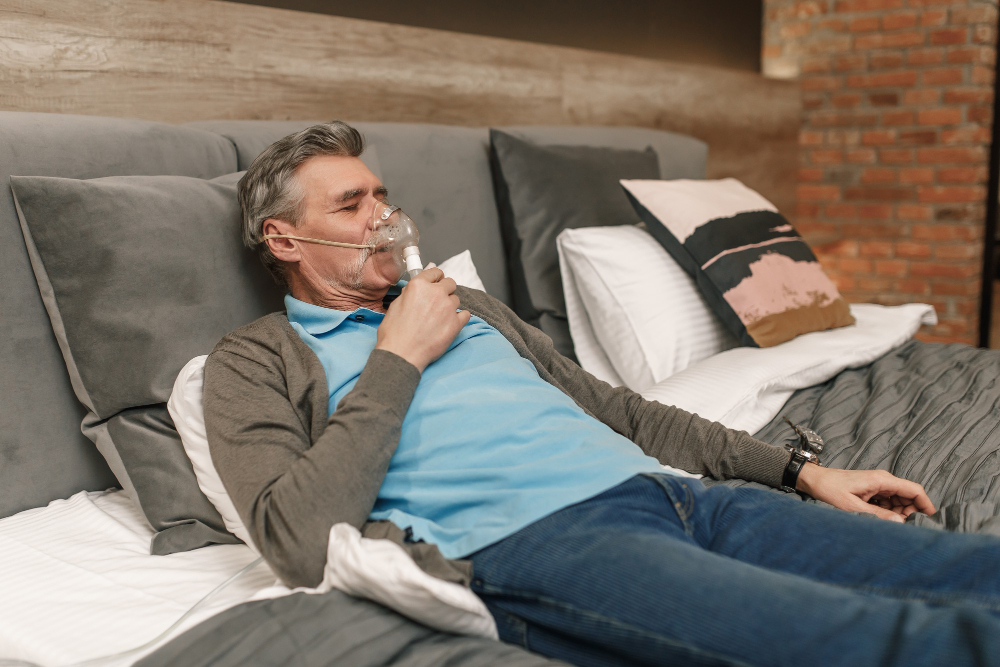
Sleep apnea is characterized by repeated breathing interruptions during sleep, often lasting 10 seconds or longer. These pauses can occur hundreds of times per night, preventing restorative deep sleep cycles.
Types of Sleep Apnea:
| Type | Cause | Prevalence |
|---|---|---|
| Obstructive (OSA) | Throat muscles relax, blocking airway | 80-90% of cases |
| Central | Brain fails to send proper breathing signals | 5-10% |
| Complex/Mixed | Combination of obstructive and central | Rare |
Key Risk Factors:
- Obesity (BMI >30)
- Large neck circumference (>17″ men, >16″ women)
- Family history of sleep apnea
- Alcohol/sedative use
- Smoking
- Nasal obstruction
Left untreated, sleep apnea increases risk for:
✓ Hypertension (up to 50% higher risk)
✓ Stroke (2-4x increased risk)
✓ Type 2 diabetes
✓ Depression
✓ Workplace/vehicle accidents
How Does CPAP Therapy Help?
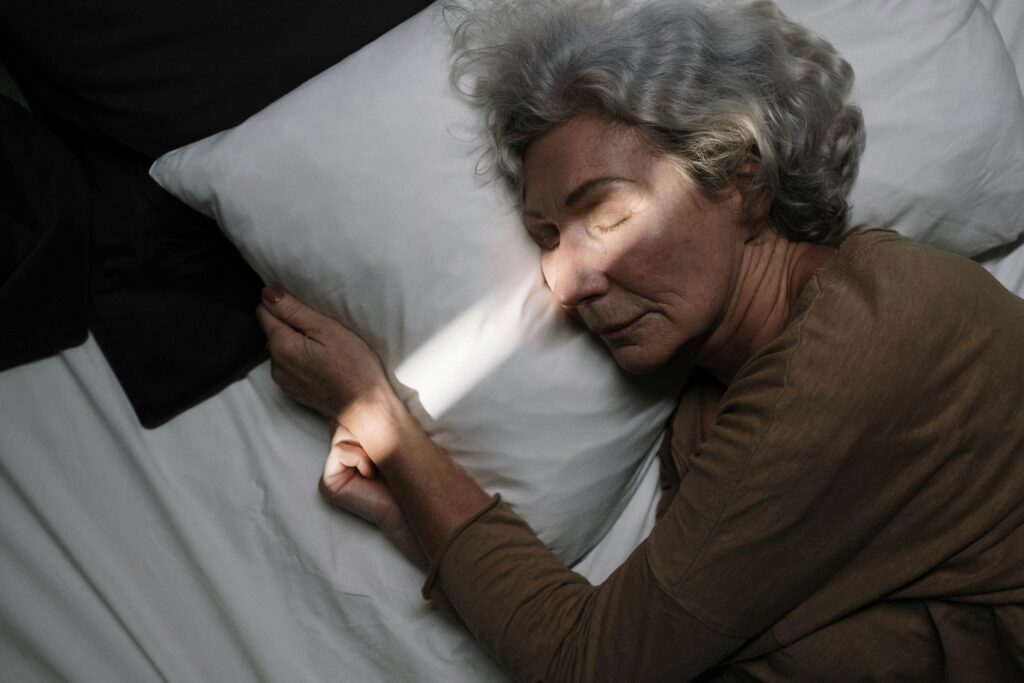
CPAP works by creating an “air splint” that prevents airway collapse. Here’s the detailed mechanism:
- Air Pressure Delivery: The machine generates continuous pressurized air (typically 4-20 cm H2O)
- Airway Stabilization: This pressure acts like an invisible stent keeping the throat open
- Oxygen Maintenance: Prevents blood oxygen desaturation (which normally drops during apneas)
Clinical Efficacy Data:
| Metric | Before CPAP | After 6 Months CPAP | Improvement |
|---|---|---|---|
| Apnea Events/Hour (AHI) | 30+ | <5 | 85%+ |
| Oxygen Saturation | 85-89% | 94-98% | 10%+ |
| Daytime Sleepiness | Severe | Mild/None | 70%+ |
Unlike oral appliances (which only help mild cases) or surgery (which has variable success rates), CPAP is effective for all severity levels when used properly.
The Science Behind CPAP Machines
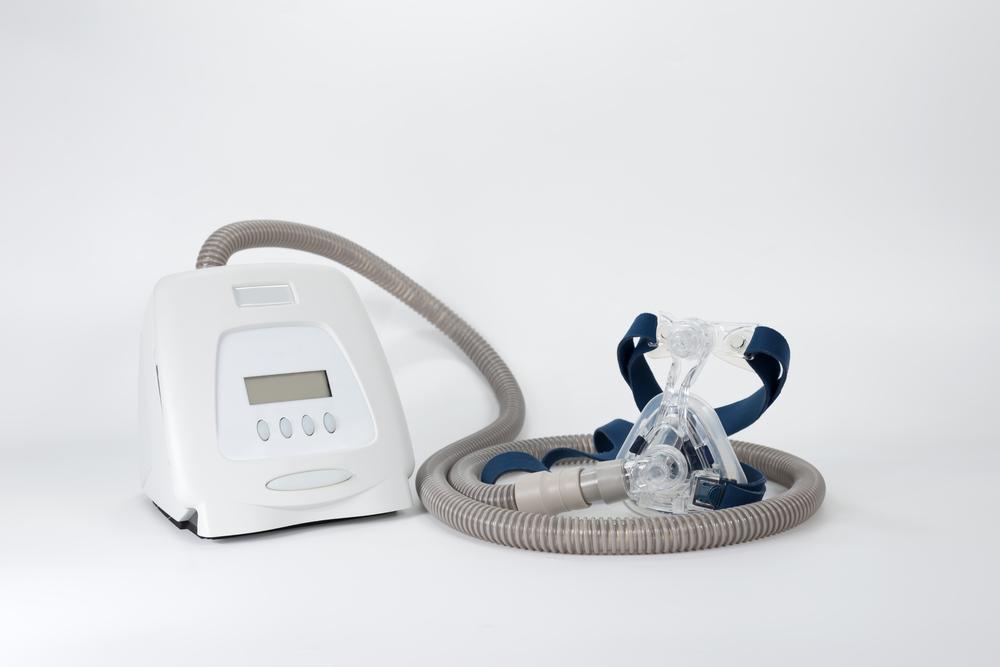
Modern CPAP systems consist of:
1. The Base Unit:
- Quiet motor (most <30 decibels)
- Advanced algorithms that adjust pressure needs
- Integrated humidifiers (heated or passive)
- Data tracking (SD cards or wireless)
2. Mask Systems:
| Type | Best For | Pros | Cons |
|---|---|---|---|
| Nasal Pillows | Mouth breathers | Minimal contact, less claustrophobia | May cause dryness |
| Full Face | Chronic mouth breathers | Highest leak prevention | Bulkier design |
| Hybrid | Combination breathers | Balanced comfort/effectiveness | More parts to clean |
3. Advanced Features:
- Ramp (gradual pressure increase)
- Expiratory pressure relief (EPR)
- Auto-adjusting algorithms (APAP)
- Climate control tubing
Benefits of Using a CPAP Machine
Beyond eliminating apneas, CPAP delivers systemic benefits:
Cardiovascular:
- 40% reduction in hypertension risk
- 31% lower heart attack risk
- Improved endothelial function
Metabolic:
- Better glucose control (HbA1c reduction up to 0.5%)
- Reduced insulin resistance
Neurological:
- 65% improvement in cognitive function
- 50% reduction in morning headaches
- Better emotional regulation
Quality of Life:
- 82% of users report improved energy
- 78% experience better relationships
- 4x fewer sick days from work

Common Challenges & Evidence-Based Solutions
| Problem | Solution | Success Rate |
|---|---|---|
| Mask leaks | Try different sizes/styles, use mask liners | 92% |
| Dry mouth/nose | Enable heated humidification, use saline spray | 88% |
| Skin irritation | Wash face before use, apply protective barrier cream | 95% |
| Difficulty exhaling | Enable EPR feature, start with lower pressure | 85% |
| Claustrophobia | Desensitization training, start with nasal pillows | 80% |
Pro Tip: Most insurance plans cover replacement parts every 3-6 months – take advantage to maintain optimal performance.
Advanced Tips for CPAP Success
1. Optimization Checklist:
- [ ] Get annual sleep studies to adjust pressure
- [ ] Replace filters monthly
- [ ] Deep clean tubing weekly with vinegar solution
- [ ] Use CPAP during naps for consistency
2. Travel Protocol:
✔ Notify TSA (medical equipment exemption)
✔ Pack distilled water for humidifier
✔ Bring backup power options
3. Data Monitoring:
- Review AHI scores daily
- Track leak rates
- Monitor usage hours
Frequently Asked Questions (FAQ)
Q: How long until I feel better?
A: Most notice improvements within 3-7 days, but full metabolic benefits take 3-6 months of consistent use.
Q: Can CPAP cure sleep apnea?
A: No, but it 100% controls symptoms when used properly. Weight loss may reduce severity.
Q: What’s the average cost?
A: $500-$1000 out-of-pocket, but most insurers cover with a sleep study diagnosis.
Q: Are there new alternatives?
A: Inspire implant therapy exists for CPAP-intolerant patients, but requires surgery.
Final Recommendations
For optimal results:
- Commit to nightly use (aim for >4 hours/night minimum)
- Join support groups (AWAKE Network, CPAP Talk)
- Work closely with your sleep specialist
Call-to-Action:
Take our [Sleep Apnea Risk Quiz] or [Find a Certified Sleep Center] to start your journey to better sleep tonight.